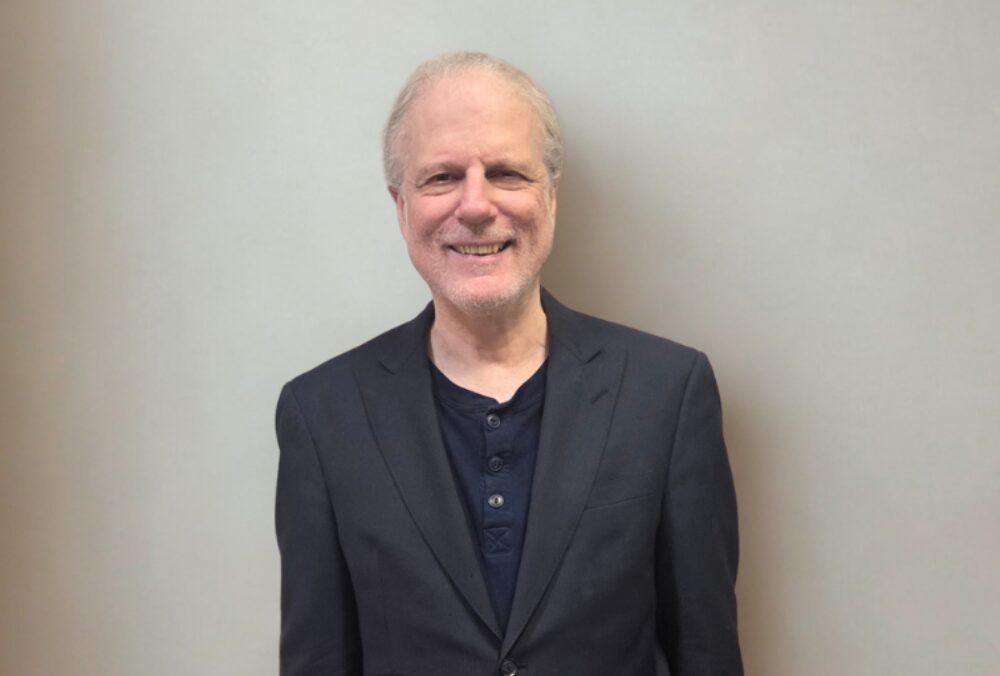
A classically trained musician who first picked up the guitar as a child, Sandy Ortega discovered early on that playing with el toque — the defining Spanish touch that separates technically correct playing from something felt — was where he truly came alive. That discovery set the course for everything that followed.
Rooted in the tradition of Andrés Segovia, the legendary self-taught Spanish guitarist widely regarded as the father of classical guitar, Ortega developed his craft through deep study of the form’s foundational composers. Among the works that shaped his musical voice was “Spanish Serenade” by Joaquín Malats, the celebrated Spanish composer whose influence runs through generations of guitar music. Drawing from these roots, Sandy Ortega carved out his own lane as a composer of Gypsy Spanish guitar — a style that blends the discipline of classical technique with the soul and spontaneity of flamenco tradition.
His composing journey began eleven years ago, sparked not in a studio or a concert hall, but in a quiet moment just outside his building. The urge to create arrived fully formed. Since then, Ortega has built a loyal audience through original compositions and live performances that carry the emotional weight of that first realization.
Sandy Ortega performed at Silvana in New York City on March 25th, where, by his own account, he was so immersed in the music that time dissolved — a performance the venue’s audio technician noted as exceptional.
And most recently, Ortega stepped into new creative territory with a two-night collaborative performance at Arts on Site in Greenwich Village, NYC. Joined by a professional dancer with credits at Lincoln Center and the Alvin Ailey American Dance Theater, Ortega performed an original composition live while the dancer interpreted the music in real time — a pairing of two technically demanding art forms rarely brought together on the same stage. The performances took place on April 24th and April 25th.
For fans of Spanish guitar and contemporary performance alike, that was a rare opportunity to witness Sandy Ortega’s work in an expanded artistic context.